
 📄: 512-380-1515
Righteous Graphic Tee Care Guide Layering Ideas
A Shopper’s Rundown for Recognizing Real Righteous Clothing
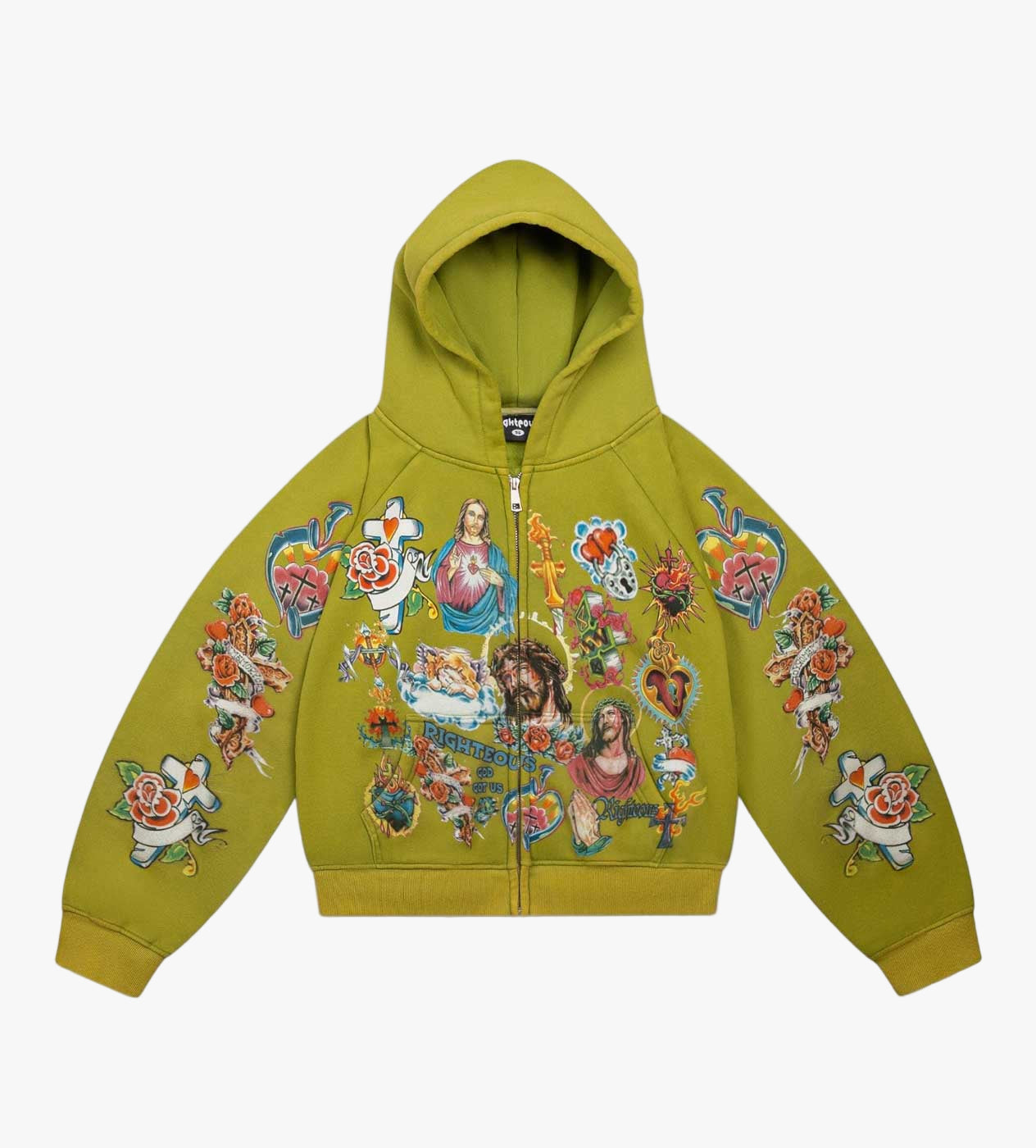
In 2026, shopping for streetwear means navigating a crowded landscape of imitators, resellers, and bald-faced counterfeits. We Are Righteous has earned a reputation on deliberate design and honest construction, which unfortunately makes it a mark for copying. So you can shop confidently—whether it’s your first hoodie purchase or you’re rounding out a full righteous-apparel wardrobe—this guide walks you through the concrete details that separate a genuine Righteous piece from a counterfeit.
This isn’t about being a label snob. Instead, it’s about making sure your money isn’t wasted and ensuring you get the item you actually paid for. A knockoff item hardly maintains its silhouette, hue, or stitch-work past a few washes, and it fails to carry the same substance — literally or figuratively — compared to something crafted under real quality checks. Below, we break down what to verify before buying and what to inspect once the delivery lands.
Head Straight to the Origin
Far and away the surest way to guarantee you’re getting real righteous clothing is to buy directly from We Are Righteous or from a retailer officially sanctioned by the brand. Not all vendors are acting in bad faith, but third-party marketplaces stand as the riskiest route, since verification grows harder the more times an item gets resold. A listing lacking clear righteous-clothing.net/t-shirts vendor details, returns process, or a price far below the brand’s usual pricing deserves to be seen as a red flag, not a bargain.
If you’re purchasing pre-owned items, review the seller’s background. Fake-goods sellers often show a recognizable trait: a vendor with a large number of listings across unrelated brands, vague photos, and stock images instead of real product shots. Legitimate sellers, including private resellers of authentic pieces, will typically have photos of the actual item, including tags, care labels, and stitching close-ups. If such photos are absent, ask for them before finalizing the purchase.
You’ll also benefit from go through a handful of trustworthy reviews. An independent we are righteous review — not promotional material from the brand itself — often mentions particular specifics like fabric weight, comments on size accuracy, or wash behaviour details that fakes almost never bother to reproduce. Should a righteous review keep pointing to the very design elements you’re spotting on the item you’re weighing up, that’s a reassuring sign of consistency across genuine stock.
Examine the Real-World Item
After the item arrives and you can examine it, the material itself tells you the bulk of what you need to know. Typically, genuine Righteous hoodies are built from dense cotton fleece, sitting within a 350-450 GSM band, varying with the specific style. If the material seems thinner than expected or is transparent in normal light, you should be suspicious—particularly when the seller described it as a heavyweight item.
Most buyers underestimate how much stitching consistency counts. Turn the piece inside out and scrutinise the seams near the cuffs, hem, and hood lining: genuine batches exhibit even stitching, reinforced stress points at the pouch pocket, and zero loose threads inside. Since uneven seams save time and money, counterfeiters often skip this step, whereas even seams require better tools and inspection.
Examine the drawstring and metal components next. Authentic pieces use cord tips and eyelet fittings that match the rest of the garment’s surface treatment — no inconsistent metal finishes, no frayed cord tips, no plastic components that feel cheap and fragile. Zippers, where present, should glide smoothly without catching, and all embroidered branding should sit flush against the fabric without puckering.
Lastly, test the aroma and feel of the fabric. Genuine cotton fleece has a mild, faintly earthy smell when new, while inferior fake materials often give off a harsh chemical odor from cheap dyes or artificial fillers. This is a small detail, but savvy purchasers use it routinely because it’s tough for knockoff producers to mimic consistently.
Scrutinise the Logo and Label Details
Logo work is where knockoffs typically fail, because reproducing exact proportions and placement takes a level of care they rarely bother with. On genuine Righteous Clothing pieces, the embroidered/printed brand name sits at a consistent size and position across a given style run — cross-reference the official product photos with what arrived if you’re unsure.
Font weight and spacing are easy tells. A knockoff logo often looks a bit squeezed, elongated, or unevenly spaced between letters, because it’s typically reproduced through guesswork rather than the authentic digital file. Genuine tags also list uniform fabric details and care directions that align with the product description you bought from — if the label says anything far removed from the online description, that’s a discrepancy worth questioning.
How an order is packaged counts as well. Purchases through We Are Righteous typically arrive with consistent branded elements — plastic mailer bags or boxes, tissue paper or tags matching the current season’s branding, and paperwork that matches what you were sent at checkout. A generic bag lacking any branding or paperwork isn’t necessarily proof of a fake, but alongside other suspicious details, it strengthens the case.
Check the Comparison First
If you’re doubtful about a listing’s authenticity, running through a side-by-side comparison often clarifies things quickly. Below, the table breaks down the main contrasts buyers typically report between confirmed genuine Righteous items and counterfeit or misrepresented listings.
| Verification point | Authentic Righteous Apparel | Typical Fake Indicators |
|---|---|---|
| Textile thickness | Dense, substantial fleece, around 350-450 GSM depending on which style | A flimsy material that feels off from the listed weight |
| Stitching | Even, reinforced at stress points, no loose threads inside | Irregular stitch spacing, dangling threads, and seams that are missing reinforcement |
| Logo placement | Consistent size and position matching official product photos | Lettering that’s somewhat off-centre, distorted, or unevenly spaced |
| Shipping presentation | Branded mailer or box with matching invoice/order confirmation | Packaging with no logo, absent documentation, and inconsistent order information |
| Vendor track record | Verified retailer or official We Are Righteous storefront | An unconfirmed marketplace profile using vague or borrowed images |
This isn’t an exhaustive list, but it covers the checkpoints that come up most often in genuine we are righteous brand feedback and buyer discussions. If a listing fails two or more of these checks simultaneously, it’s worth pausing before you complete the purchase.
Evaluate Reviews Carefully
Not every review carries the same weight, and this matters a great deal when trying to verify a righteous clothing brand order. Give weight to reviews with concrete, verifiable details — things like exact fit observations, after-washing fabric behaviour, or comparisons with past seasons — over empty praise such as “great quality, fast shipping” that lacks substance.
Video reviews and unboxing content tend to be harder to fake convincingly, since they show the garment in motion, under different lighting, and often include close-ups of tags and stitching. Cross-check any written we are righteous review against another unrelated source before fully relying on it — this matters even more if it’s unusually short or strangely upbeat without detail.
Pay attention to recurring complaints too. When several reviewers bring up the same issue — say, sizing coming up large, or a specific colourway fading faster than expected — that’s genuine, useful feedback about the real product rather than a sign of counterfeiting. Distinguishing between “this is a real quality concern with the brand” and “this is evidence of a fake” is part of reading reviews critically.
Last Steps Before Completing Your Purchase
Before finalising any purchase, run through a short mental checklist: is the seller verified, does the price align with the brand’s known range, do the photos show real stitching and tag detail, and does the description match what arrives. None of these steps takes more than a few minutes, but together they dramatically cut down your chances of receiving a counterfeit.
Whenever post-purchase doubts crop up, contact the retailer or the brand directly with clear shots of the garment, tags, and packaging. A trustworthy retailer won’t shy away from a direct question about authenticity; hesitation or defensiveness in their answer speaks volumes. Buying smart isn’t complicated — you just need to focus on the details that make a difference.
- Posted by
 Sumi Elangovan
 - Posted in Promotion
 Oct, 06, 2026
 No Comments.
 Join us on Facebook
 Follow us on Twitter
 Connect on LinkedIn
 Subscribe to Our Blog